Introduction
When it comes to maintaining a home, one of the most overlooked aspects is the proper placement of downspouts. While many homeowners focus on aesthetics and roofing choices, the effectiveness of your gutter system hinges significantly on how well your downspouts are installed. This article delves into Proper Downspout Placement for Optimal Drainage Solutions, exploring everything from gutter installation processes to the essential role that downspouts play in protecting your home's foundation.
What Are Downspouts and Why Are They Important?
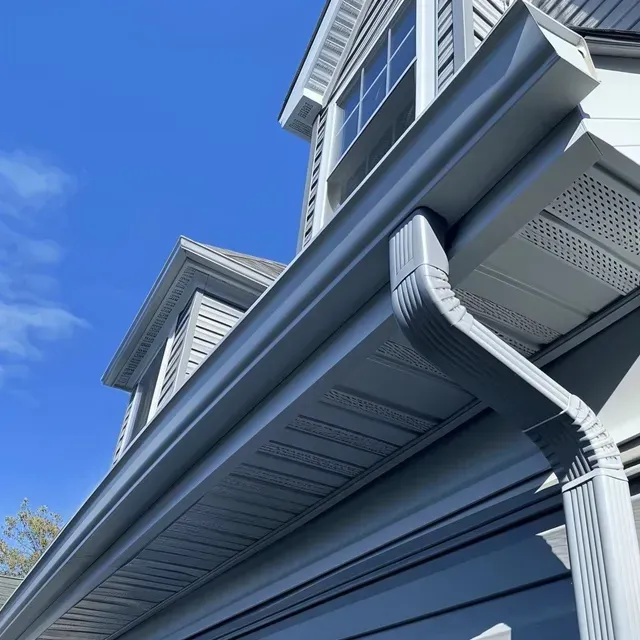
Downspouts are vertical pipes that direct rainwater from gutters down to the ground, allowing for efficient drainage away from the home. Their importance cannot be overstated. Without proper downspout placement, water can pool around your foundation, leading to erosion, mold growth, or even structural damage. Therefore, understanding how to install and position them correctly can save you time, money, and stress in gutter company the long run.
Proper Downspout Placement for Optimal Drainage Solutions
Choosing the Right Gutter System for Your Home
Before we dive into downspout placement specifics, let’s talk about selecting the right gutter system. The choice between aluminum, vinyl, and steel gutters can affect how efficiently water is managed around your property.
Aluminum Gutters
- Lightweight Corrosion-resistant Easy to install
Vinyl Gutters
- Cost-effective Available in various colors Less durable than metal options
Steel Gutters
- Extremely durable Suitable for heavy rainfall regions Requires regular maintenance
Ultimately, the right choice depends on your local climate and budget.
Gutter Installation Process Explained
Understanding how gutters are installed provides insight into where and how downspouts should be positioned. Here’s a step-by-step breakdown:
Assessing Roof Pitch: Ensure gutters are installed at a slight angle towards downspouts. Measuring and Cutting: Accurate measurements are crucial; cut sections accordingly. Attaching Hangers: Securely attach hangers every 2 feet. Installing Gutters: Position them along roof edges. Setting Up Downspouts: Attach these at low points of the gutters.Signs You Need a Gutter Replacement
Not all gutter systems last forever! Keep an eye out for these signs indicating that it's time for a replacement:
Rust or corrosion present on metal systems. Cracks or splits in seams. Peeling paint or sagging sections. Water pooling around the foundation.Recognizing these signs early can prevent costly repairs later.
How Long Does Gutter Installation Take?
On average, installing gutters can take anywhere from a few hours to several days depending on house size and complexity of design. For seamless gutters, which require precise measurements and custom fittings, expect longer installation times.
Gutter Installation Costs Broken Down
Gutter installation costs vary by material:
| Material | Average Cost per Linear Foot | |----------------|------------------------------| | Aluminum | $3 - $10 | | Vinyl | $2 - $6 | | Steel | $5 - $15 |
Keep in mind additional costs may arise based on labor charges or if you decide to upgrade to seamless options.
DIY Gutter Installation vs Professional Install
Should you go DIY or hire a pro? Here’s a quick comparison:
DIY Pros
- Cost savings Flexibility in timing
DIY Cons
- Risk of improper installation Lack of specialized tools
Professional Pros
- Expertise ensures quality Time-efficient
Professional Cons
- Higher costs Scheduling complications
Consider your skills and resources before making a decision!
What to Expect During Gutter Replacement
If you're opting for professional help in replacing gutters, here’s what you can generally expect during the process:
Assessment Visit: Professionals will inspect existing systems beforehand. Material Delivery: New materials arrive before work begins. Removal of Old Gutters: Carefully removed without damaging roofing. Installation of New System: Followed by thorough checks for stability.Local Building Codes for Gutter Installation
It’s vital to check local building codes before installation since regulations may dictate specific requirements regarding drainage patterns and materials used.
Installing Gutters on Metal Roofs
Installing gutters on metal roofs requires special considerations due to their unique designs:
Use wider troughs to accommodate runoff. Ensure proper flashing is applied to avoid leaks at joints.The Role of Proper Downspout Placement in Drainage
How Many Downspouts Does Your Home Need?
Generally speaking, one downspout is required for every 30 feet of gutter run; however, larger homes with expansive roofs may benefit from additional downspouts to manage increased rainfall effectively.
Extending Downspouts Away from the Foundation
Properly extending downspouts away from your home is crucial; ideally they should direct water at least three feet away from foundations to prevent potential pooling issues—this distance can vary based on soil type and landscape grading.
Underground Drainage for Gutter Systems
For aesthetic purposes or due to space constraints, consider incorporating underground drainage systems that channel rainwater further away from foundations while preserving landscaping integrity.
Decorative vs Functional Downspout Options
While functionality should always come first when planning downspout placement, don’t overlook decorative options! Stylish designs can enhance curb appeal while still serving their primary purpose effectively.
Common Issues with Downspouts
Here are some common problems associated with poorly placed or maintained downspouts:
FAQs About Proper Downspout Placement for Optimal Drainage Solutions
What is a typical distance that downspouts should extend away from my house? Ideally at least 3–5 feet depending on soil conditions surrounding your foundation.
How often should I check my gutter system? It's recommended quarterly during mild months but after heavy storms too!
3.. Can I modify existing downshoot positions? Yes! However ensure any changes improve drainage efficiency rather than hinder it.
4.. What happens if my gutters overflow? Overflow can cause significant foundation damage over time—be sure they remain clear and functional!
5.. Are there specific types suitable only under certain climates? Absolutely! For instance aluminum works well generally but coastal areas might benefit more from stainless steel due its corrosion resistance.
6.. Do I need professional help maintaining my gutter system? It depends! If you're comfortable doing basic cleaning yourself that's fine—but call experts if repairs seem out-of-reach.
Conclusion
In summary, ensuring proper downspout placement is integral not only for effective drainage solutions but also crucial in safeguarding your home against potential water-related damages like erosion or mold growth—a small investment now could yield significant returns later! So consider this guide as you plan adjustments or installations; keeping both functionality AND style in mind will gutter company ensure happy homeowners everywhere while enhancing property value too!
By understanding each element discussed here—from choosing appropriate materials & styles through recognizing warning signs indicating replacements needed—you’ll be well-equipped with all necessary knowledge regarding optimal maintenance practices moving forward!
Remember that being proactive saves headaches (and dollars) later—so get started today!